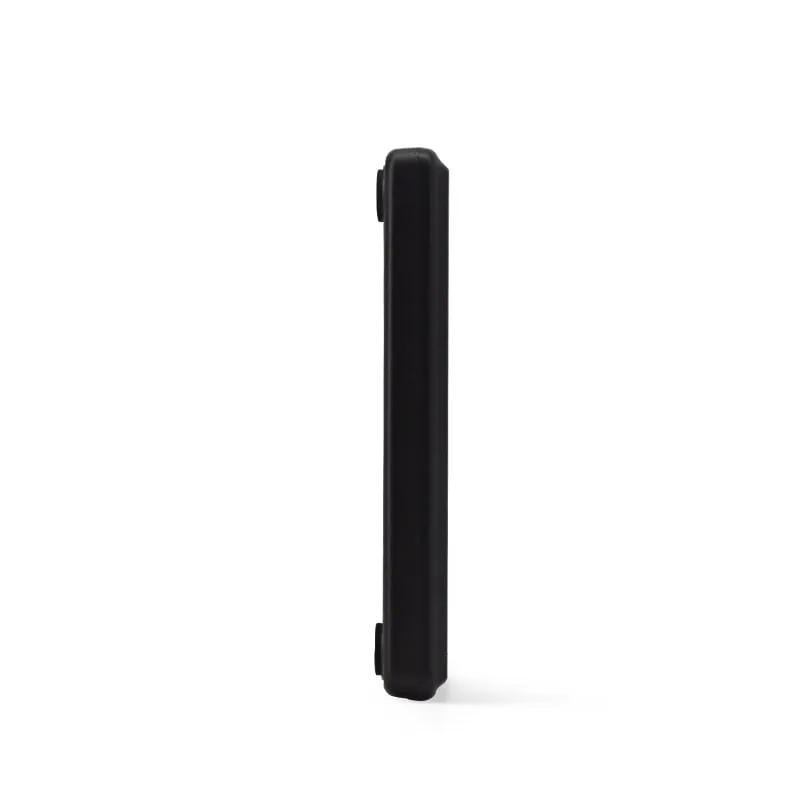
 134.2kHz
 RFID readers
134.2kHz FDX-B Animal ID RFID Readers for Microchips and Ear Tags
Read-only RFID readers for ISO 11784/11785 FDX-B and 125 kHz EMID animal tags: OLED handhelds with memory, a tag and barcode combo, USB desk readers, a USB-C phone plug-in and a 40 cm RS232/RS485 panel for feeders and races.
134.2kHz 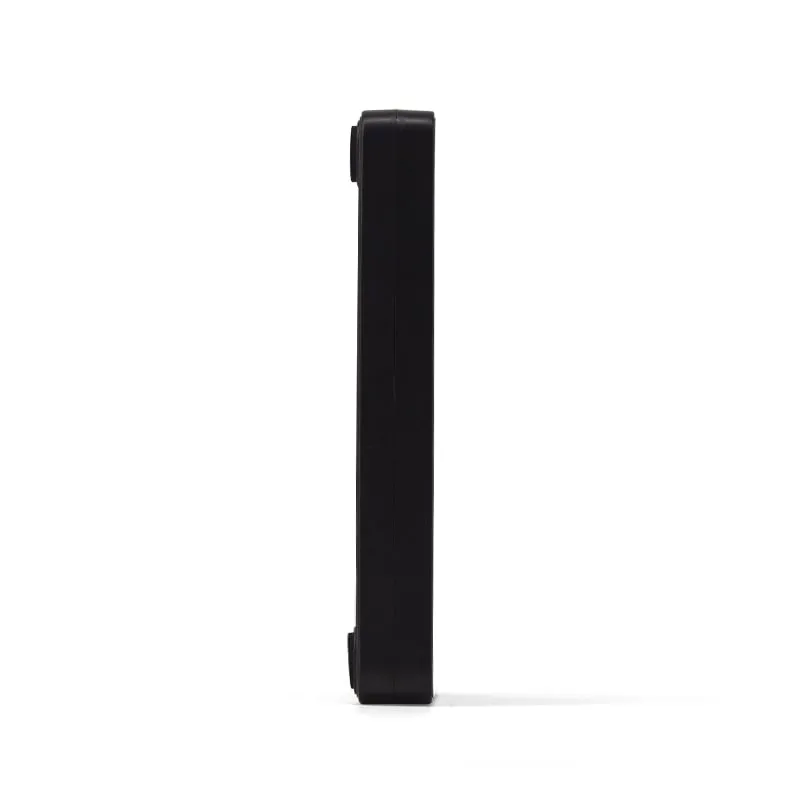 134.2kHz
 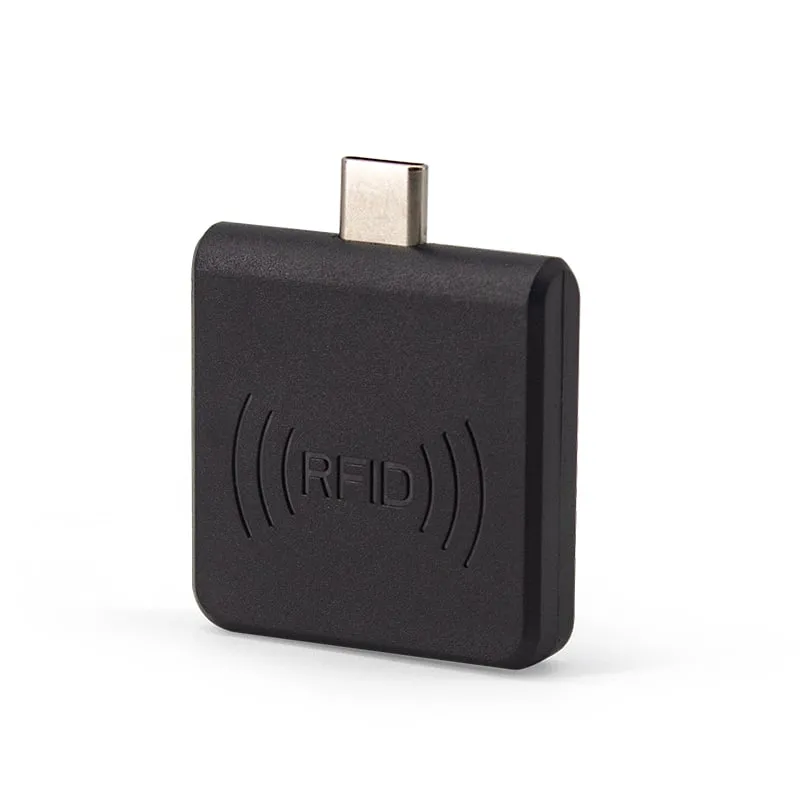 134.2kHz
 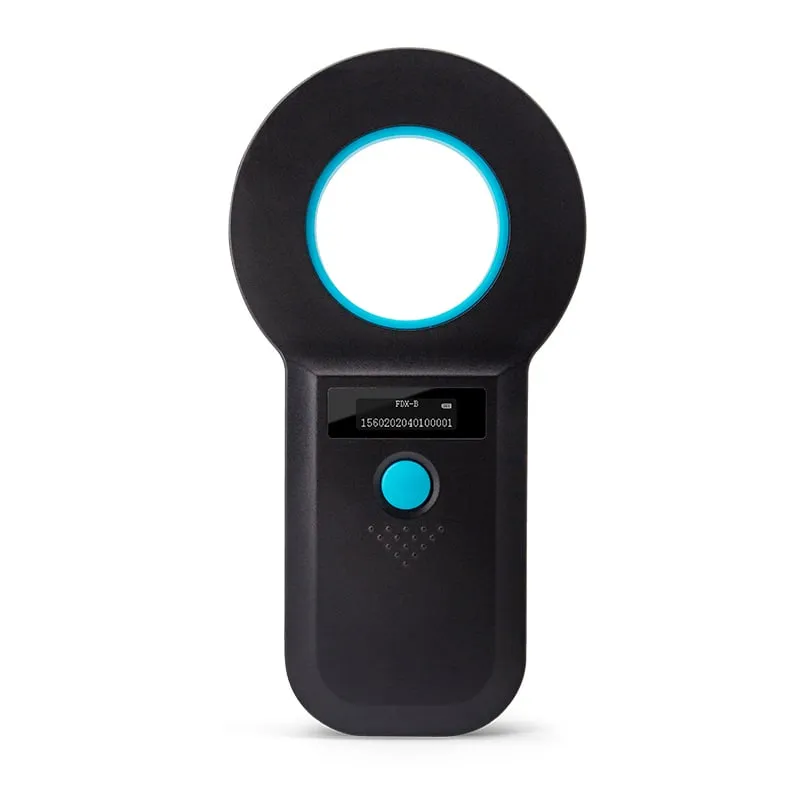 134.2kHz
 A520-M
Handheld 134.2kHz FDX-B Microchip Reader, USB / 2.4G / Bluetooth
- USB
- Wireless
- Handheld
Read range: > 8 cm
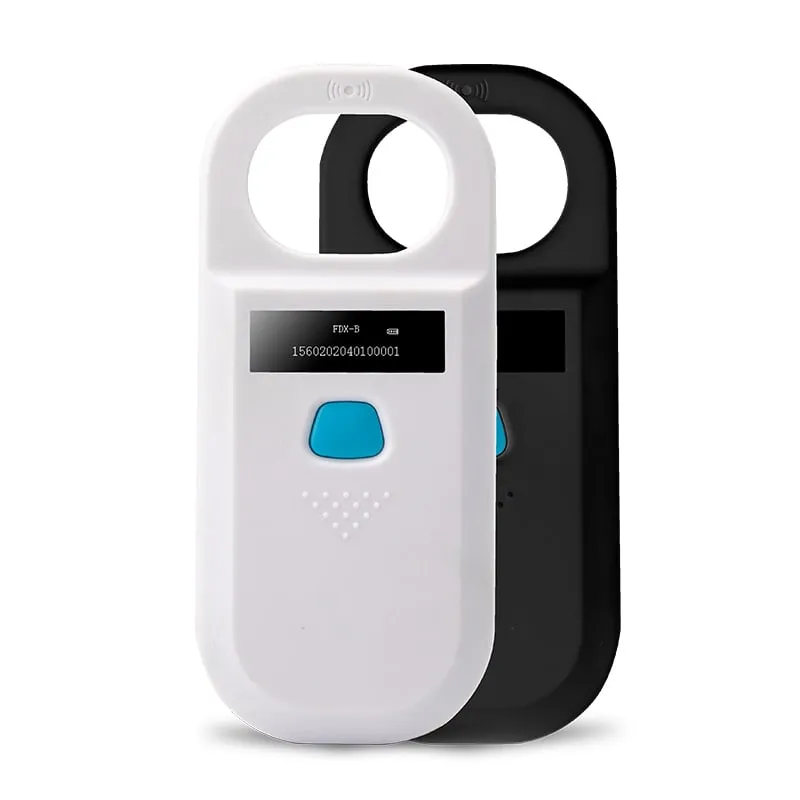 134.2kHz
 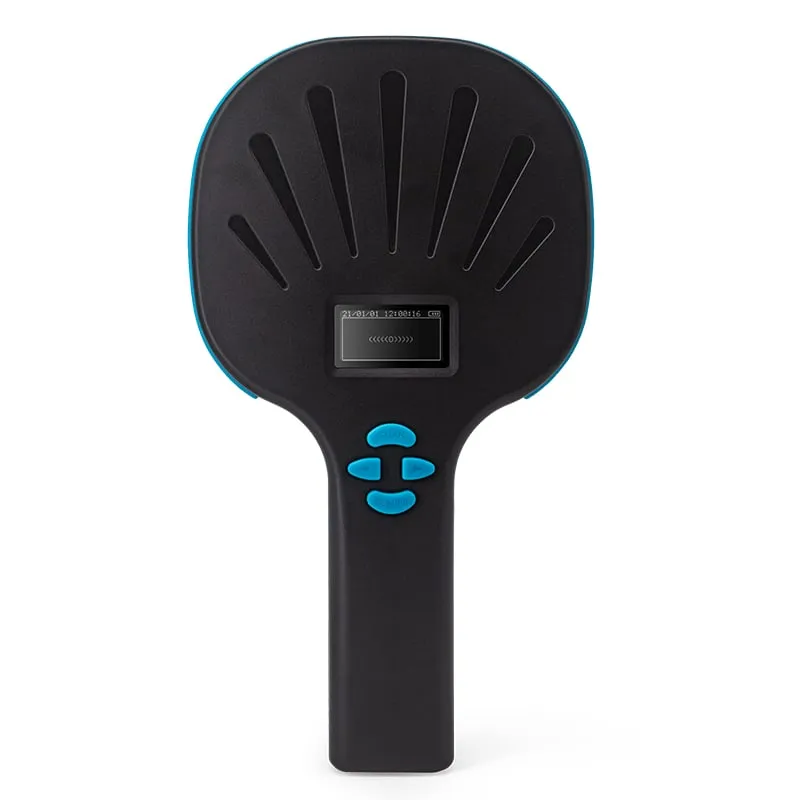 134.2kHz
 A540-M
134.2kHz FDX-B Animal Tag Reader with 1D/2D Barcode Scanner
- USB
- Wireless
- Handheld
Read range: > 15 cm
 134.2kHz
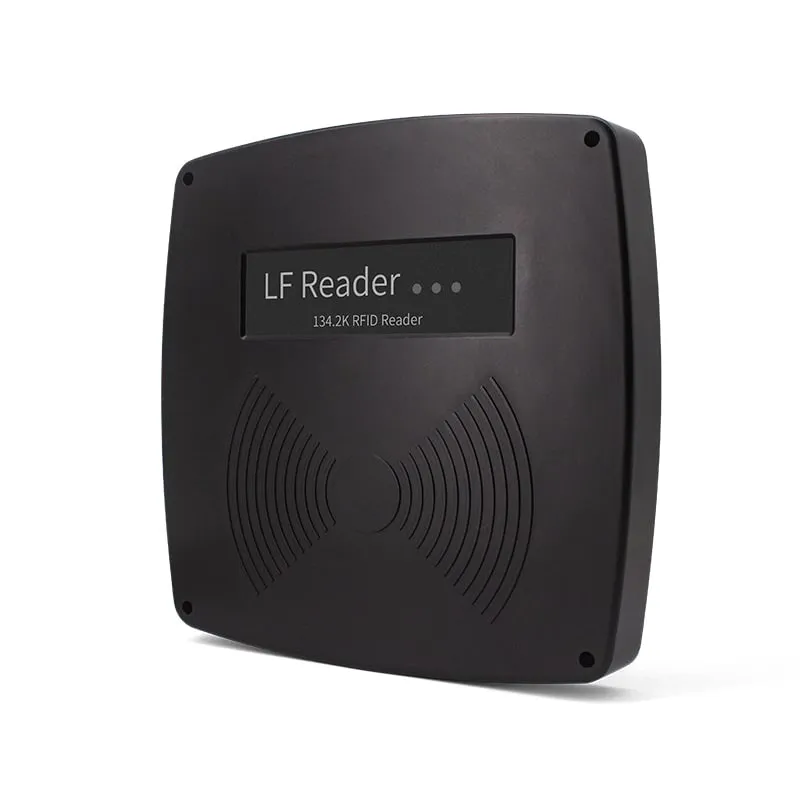
 A660-M
Long-Range 134.2kHz FDX-B Panel Reader, RS232 / RS485
- RS232
- RS485
- Fixed / long-range
Read range: 40 cm ± 5 cm
A 134.2kHz animal ID RFID reader reads the number stored in an FDX-B animal tag: the glass-tube microchip implanted in pets and research animals, or the transponder inside an electronic ear tag. FDX-B is the full-duplex air interface defined in ISO 11785, and ISO 11784 defines the ID code it carries; together they are the standard for pet microchips in many countries and for many livestock ear tags. Every reader on this page also reads 125 kHz EMID tags, which use the EM4100 format. All of them are read-only: they report the tag number and do not write or program tags.
Typical buyers are integrators and distributors: livestock and feeder software vendors, weigh-scale and gate builders, veterinary and shelter suppliers, and brands that want a private-label microchip scanner. The range covers handheld scanners with an OLED and memory, a combined tag and barcode handheld, USB desktop readers, a USB-C plug-in for Android phones and a fixed panel reader for races and feeders.
Four questions decide the model: which tag protocol you use (FDX-B and EMID, not HDX), how far the reader must reach for your tag size, where the number has to go (screen, memory, keyboard input, wireless or serial), and whether the reader sits on a desk, travels in a pocket or is fixed at a gate.
Model comparison
All seven readers decode FDX-B at 134.2 kHz and EMID at 125 kHz, and all are read-only. Read ranges are tag dependent, so compare them on the tag size you actually use.
| Model | Frequency | Interface | Form factor | Read range |
|---|---|---|---|---|
| A110-U | 134.2 kHz / 125 kHz | USB | Desktop | 0–150 mm |
| A140-U | 134.2 kHz / 125 kHz | USB | Desktop | 0–150 mm |
| A220-C | 134.2 kHz / 125 kHz | USB | Plug-in | 0–30 mm |
| A520-M | 134.2 kHz / 125 kHz | USB, Wireless | Handheld | > 8 cm |
| A530-U | 134.2 kHz / 125 kHz | USB | Handheld | > 5 cm |
| A540-M | 134.2 kHz / 125 kHz | USB, Wireless | Handheld | > 15 cm |
| A660-M | 134.2 kHz / 125 kHz | RS232, RS485 | Fixed / long-range | 40 cm ± 5 cm |
How to choose a 134.2kHz animal ID RFID reader
Work through these criteria in order. The first one rules out more projects than any other.
- Tag protocol. Confirm your tags are FDX-B (ISO 11784/11785) or EMID. HDX tags, used in some cattle ear-tag programs, and FDX-A or encrypted 125 kHz pet chips are not supported by these readers. If you are unsure, read FDX-B vs HDX animal tags or send us a sample tag.
- Read distance for your tag. Range depends heavily on tag size: a 2–12 mm glass microchip reads at a fraction of the distance of a 30 mm ear tag. Compare models on the tag you actually use. The A520-M reads glass tubes at more than 8 cm and ear tags at more than 20 cm; the A540-M at more than 15 cm and 25 cm.
- Where the number goes. The keyboard-emulation models (A110-U, A140-U, A220-C) type the number into any software. The handhelds show it on an OLED, store it and upload it over USB, 2.4G or Bluetooth. The A660-M panel sends it over RS232 or RS485 to a controller.
- Form factor. A desk pad for registration and look-ups, a pocket handheld for spot checks, a paddle handheld for ear tags in a race, a phone plug-in for field staff with Android devices, a fixed panel for feeders and gates.
- OEM needs. Display language, housing color, output format and private labeling are the usual requests. See OEM/ODM for how projects run.
Which animal ID reader for which job
| Job | Model | Why it fits |
|---|---|---|
| Scanning pet microchips at a clinic or shelter, upload to a PC | A520-M | Ring antenna, glass tubes at more than 8 cm, 128 records, USB / 2.4G / Bluetooth |
| Simple spot checks, upload later by cable | A530-U | Pocket handheld, 110 g, 128 records, USB upload only |
| Ear tags plus barcoded medicine, feed or sample labels | A540-M | FDX-B/EMID plus 1D/2D imager, ear tags at more than 25 cm, 6,000 records |
| Registering tags at a desk into any software | A110-U / A140-U | USB keyboard output, no driver, up to 150 mm |
| Recording tag numbers on an Android phone | A220-C | USB-C plug-in, no app needed, 0–30 mm |
| Feeding stations, races, gates and weigh scales | A660-M | Fixed 260 × 260 mm EID panel reader, 40 cm ± 5 cm, RS232 / RS485 |
Not sure which applies? Describe the tag, the animal and the software in your RFQ, and we recommend a model. For cattle and sheep ear tags read at the chute, race, feeder or weigh scale, see livestock EID readers for cattle and sheep.
FDX-B, EMID and the 15-digit ISO number
ISO 11784 defines the code stored in the tag; ISO 11785 defines how reader and tag communicate. An ISO animal ID has 15 digits: a three-digit country code (ISO 3166 numeric) or a manufacturer code in the 900 range, followed by a 12-digit national ID. ISO 11784/11785 explained walks through the structure.
ISO 11785 allows two air interfaces. FDX-B tags answer while the reader's field is on; HDX tags charge while the field is on and answer in the pause that follows. The readers on this page decode FDX-B. They also read EMID, a 125 kHz EM4100-format tag used in some animal ID systems, but not HDX or FDX-A.
Output format matters when you integrate. The A220-C types a 10-digit decimal number (4 bytes) by default; if your software stores the full 15-digit FDX-B number, ask for a custom output format. For the other models, the exact output string is confirmed in your quotation.
Integration notes
- Keyboard emulation. The A110-U, A140-U and A220-C appear as a USB keyboard and type the number at the cursor, so they work with spreadsheets, web forms and farm or clinic software without code. They are also listed with our other keyboard-emulation readers.
- Phones. Phone NFC works at 13.56 MHz and cannot read 134.2 kHz tags. Use the A220-C on an Android device with USB OTG; see can a phone read a pet microchip?
- Handheld upload. The A520-M and A540-M upload in real time or from memory; the A530-U uploads stored records over USB. No SDK is published for the handhelds. Tell us your host system and software, and the upload method and data format are confirmed in your quotation.
- Serial panel. The A660-M outputs over RS232 (TX line) or RS485 (A/B pair); Wiegand 26/34 is also listed, with the wiring confirmed in your quotation. Compare the options in USB vs RS232 vs RS485 vs Wiegand or browse our RS232 and RS485 readers. Mount it on a non-metallic surface, away from mains cables and motors.
- Samples. Test with your own tags before ordering volume: request a sample.
Frequently asked questions
Can these readers read HDX animal tags?
No. Every reader in this category reads FDX-B tags at 134.2 kHz and EMID tags at 125 kHz. HDX and FDX-A tags are not supported, so check your tag type before ordering or send us a sample tag.
Can a 134.2kHz animal reader also read 125kHz tags?
Yes, for EMID tags. All seven models read 125 kHz EMID (EM4100-format) animal tags as well as 134.2 kHz FDX-B. They do not read FDX-A or encrypted 125 kHz pet chips.
What read range can I expect on a pet microchip?
On 2–12 mm glass-tube microchips: more than 5 cm with the A530-U, more than 8 cm with the A520-M and more than 15 cm with the A540-M. The A220-C phone plug-in reads at 0–30 mm. Ear tags read further than glass tubes.
Do these readers write or reprogram animal tags?
No. All models are read-only. They read the ID stored in the tag and cannot write, program or copy tags.
Which reader connects to a feeding station or weigh-scale controller?
The A660-M fixed panel reader. It reads FDX-B and EMID tags at 40 cm ± 5 cm and outputs the number over RS232 or RS485. Serial settings and frame format are confirmed in your quotation.
Can you supply the handhelds under our own brand?
Yes. Private-label options include your logo and packaging, a display language other than English, and black or white housings on the A520-M and A530-U. Commercial terms are confirmed in your quotation.
Tell us your card, interface and quantity
Send the card or tag type, the host system and your volume. We reply within 1 business day with a suggested model and sample options.