 UHF
UHF RFID readers
UHF RFID Readers (EPC Gen2 / ISO 18000-6C): Desktop, Long-Range, Handheld
EPC Gen2 readers in four formats: USB desktop reader/writers for issuing tags, integrated long-range readers for gates and fixed read points, Bluetooth and pistol-grip handhelds, and a USB-C plug-in for Android phones. Desktop and integrated models are supplied for the band of your destination country.
UHF  UHF
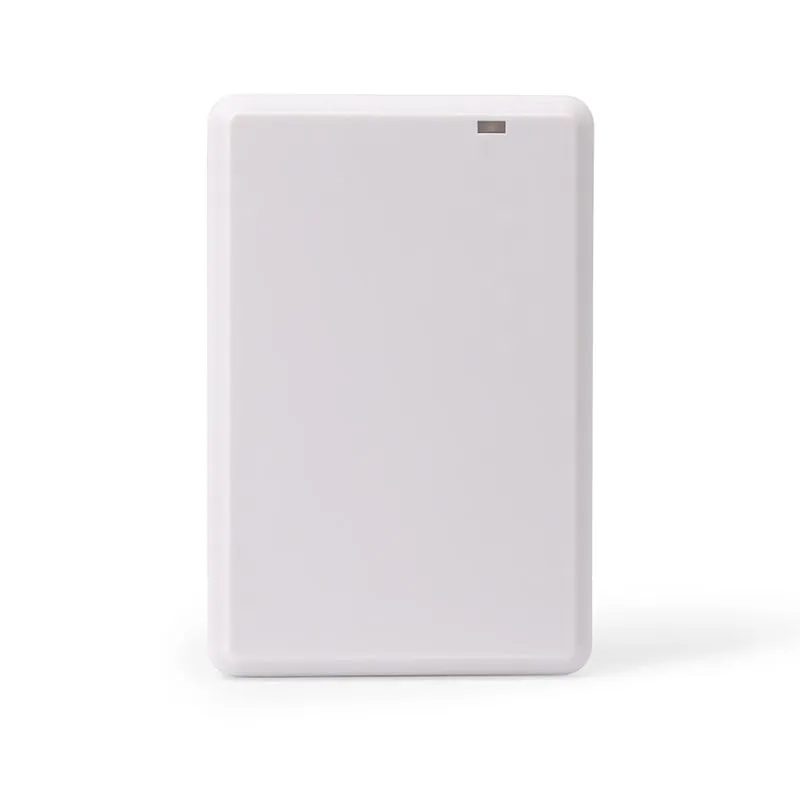
UHF U130-U
UHF RFID Desktop Reader/Writer, USB, Glossy Light-Ring Pad
- USB
- Desktop
Read range: Up to 0.5 m
 UHF
UHF Photos on request
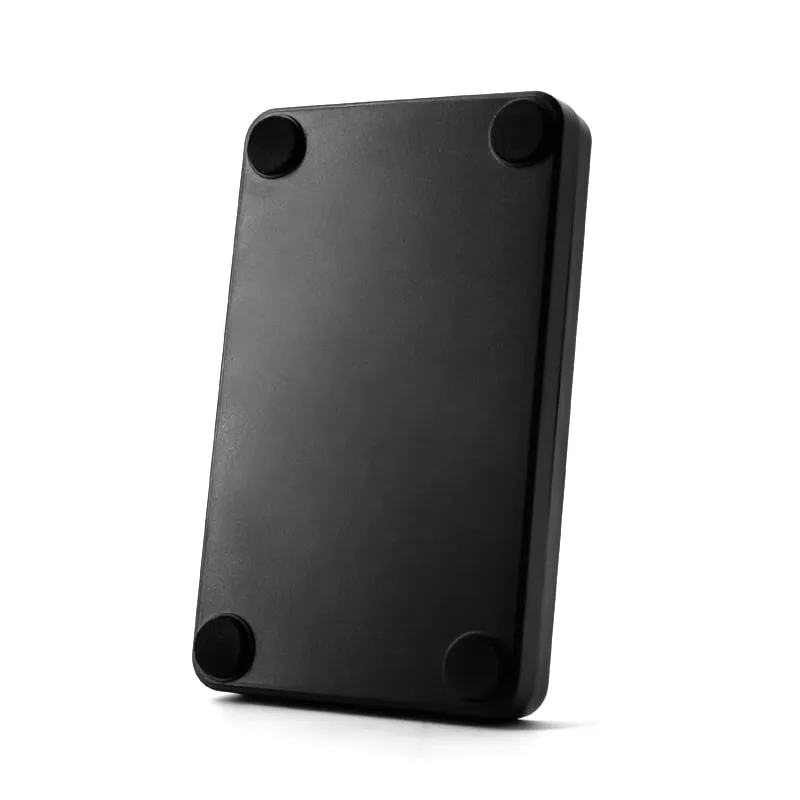
UHF U160-U
UHF RFID Desk Reader/Writer, USB, EPC Gen2, Square Housing
- USB
- Desktop
Read range: Up to 0.5 m
 UHF
UHF U610-M+1 variant
UHF Integrated RFID Reader, 7 dBi, 0–5 m, Wiegand/RS485/USB
- USB
- RS232
- RS485
- Fixed / long-range
Read range: 0–5 m
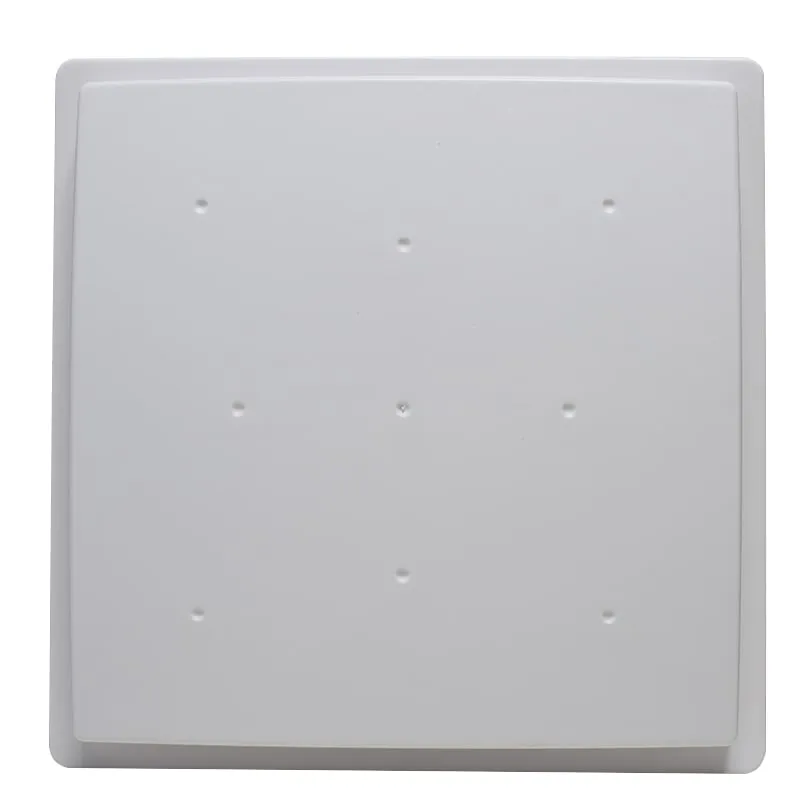 UHF
UHF U620-M+1 variant
UHF Integrated RFID Reader, 8 dBi, Wiegand 26/34, RS232/RS485
- USB
- RS232
- RS485
- Fixed / long-range
Read range: 0–5 m
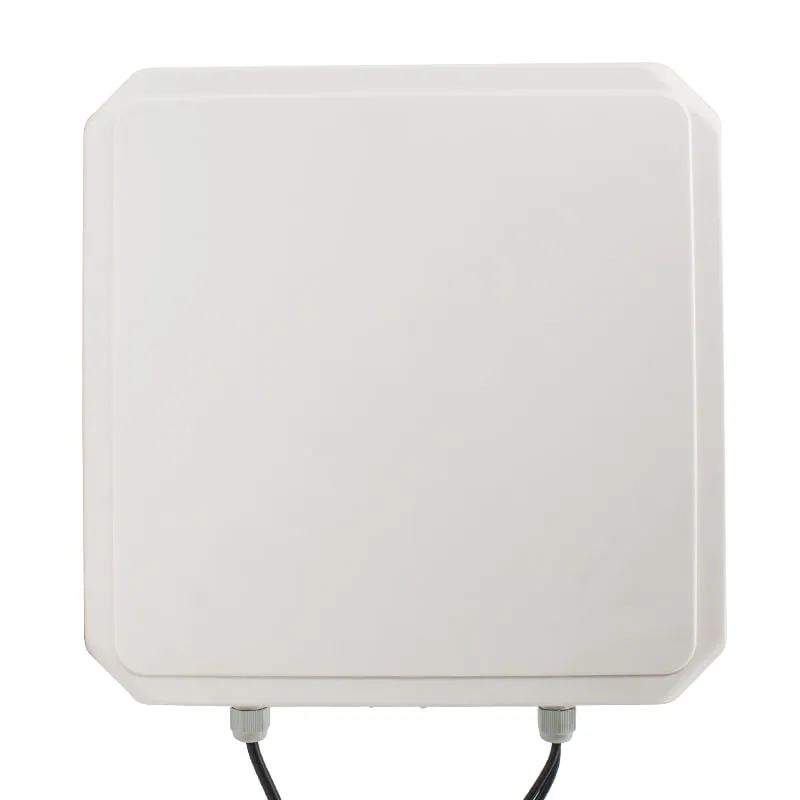 UHF
UHF U630-M+1 variant
9 dBi UHF Integrated RFID Reader, 0–6 m, Rated to -40 °C
- USB
- RS232
- RS485
- Fixed / long-range
Read range: 0–6 m
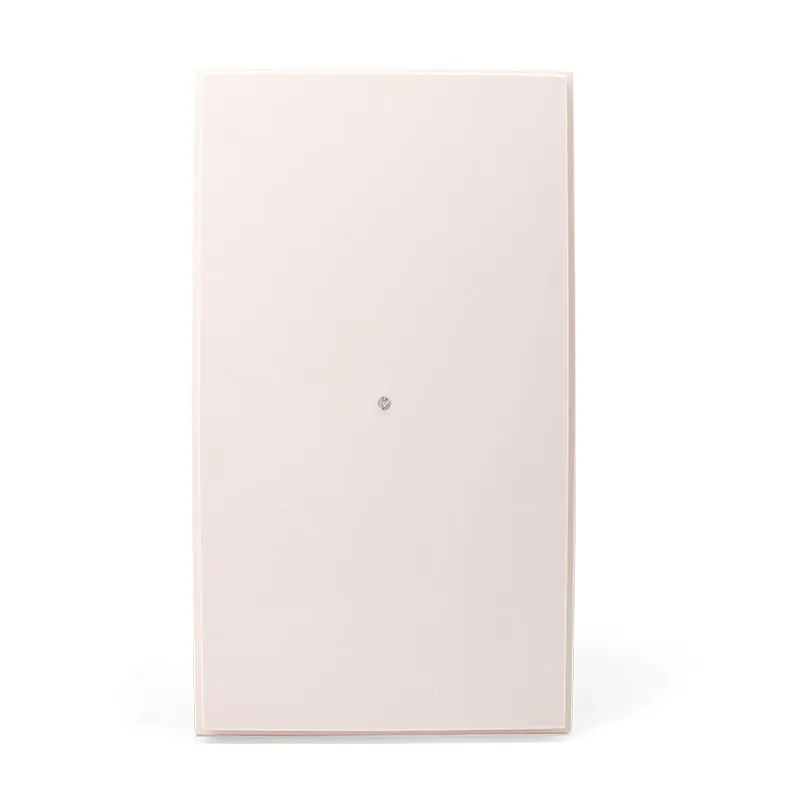 UHF
UHF U640-M+1 variant
10 dBi Long-Range UHF RFID Reader, 12 m+, Wiegand 26/34, RS485
- USB
- RS232
- RS485
- Fixed / long-range
Read range: Beyond 12 m
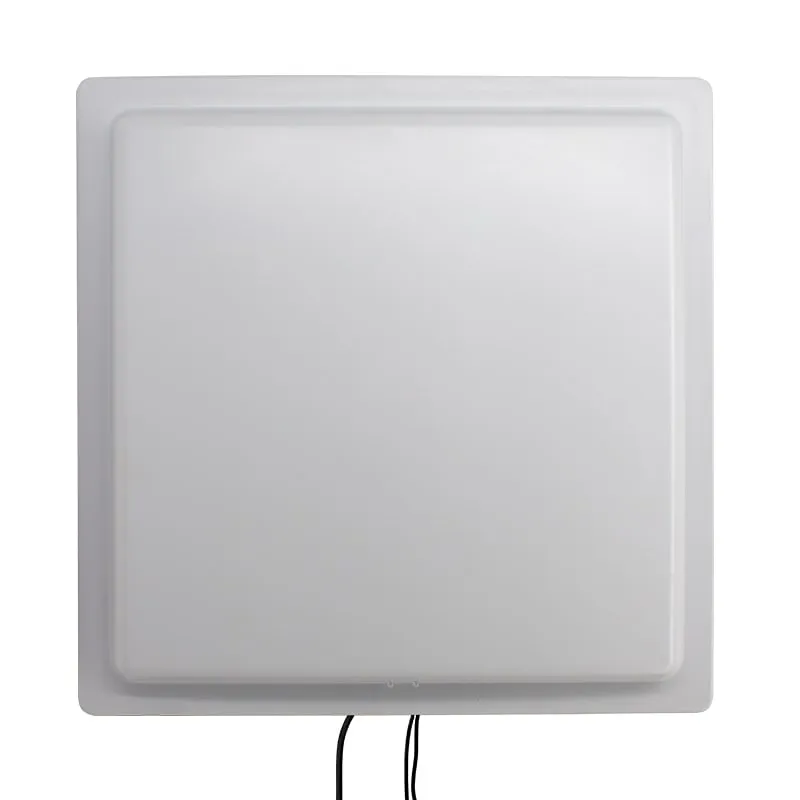 UHF
UHF U650-M+1 variant
12 dBi Long-Range UHF RFID Reader, 0–20 m, Wiegand/RS485/TCP/IP
- USB
- RS232
- RS485
- Fixed / long-range
Read range: 0–20 m
 UHF
UHF 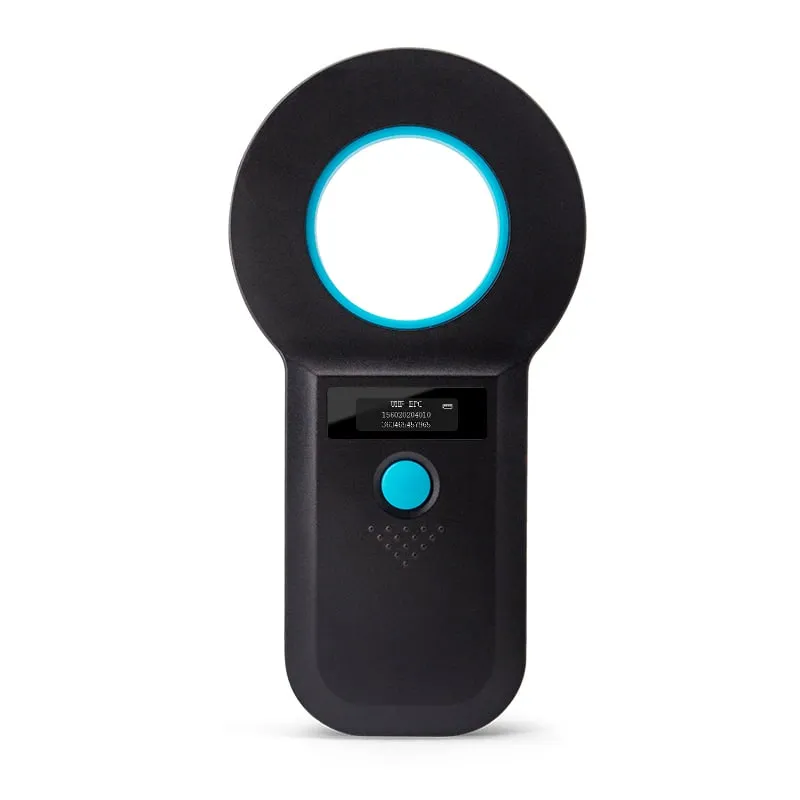 UHF
UHF 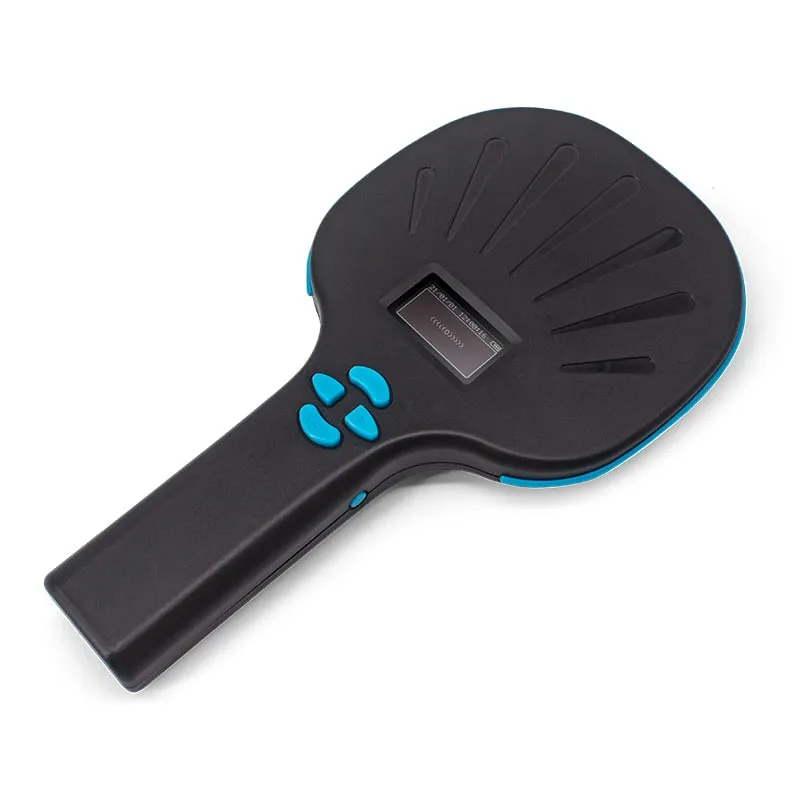 UHF
UHF 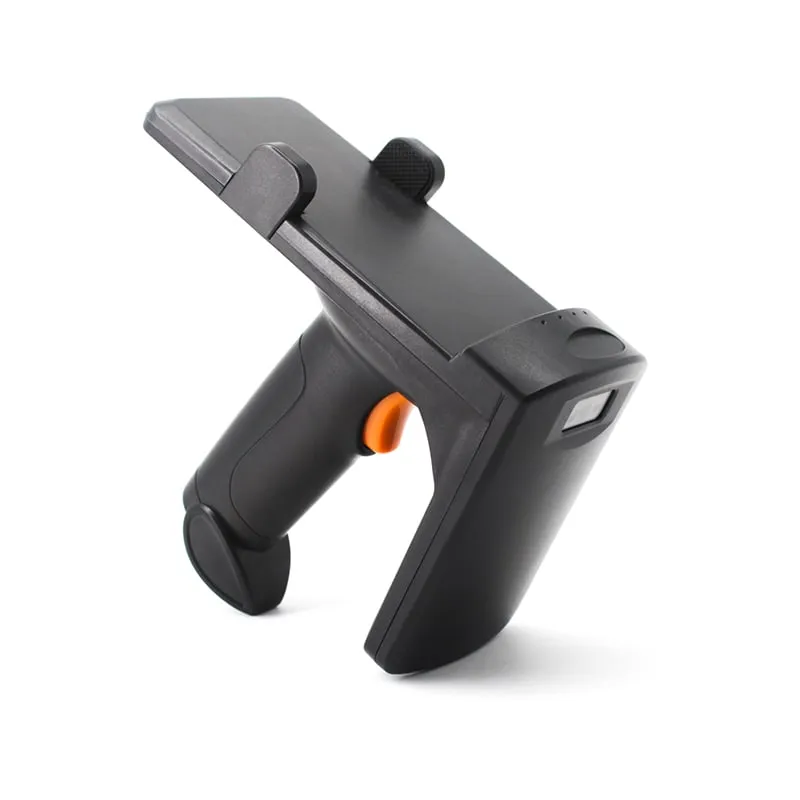 UHF
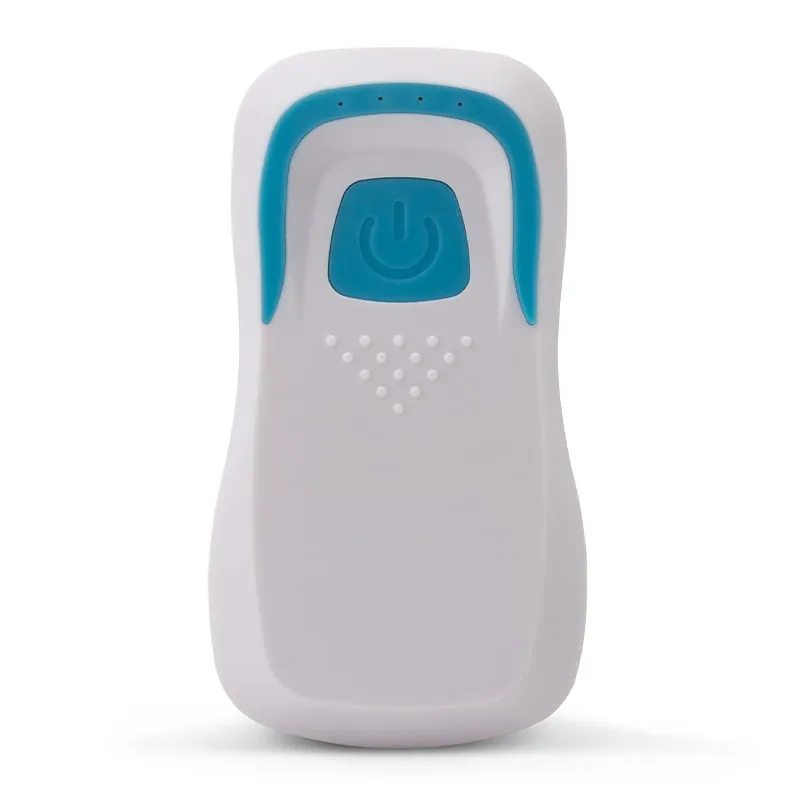
UHF U550-M
Bluetooth UHF RFID Pistol-Grip Reader with Phone Holder
- USB
- Wireless
- Handheld
Read range: 0–3 m
 UHF
UHF A UHF RFID reader communicates with passive EPC Gen2 (ISO 18000-6C) tags in the 860–960 MHz band. A 125 kHz or 13.56 MHz card reader works at a few centimeters; UHF works from centimeters to meters. That is why it is used for vehicle access, asset labels, stock checks and tag issuing.
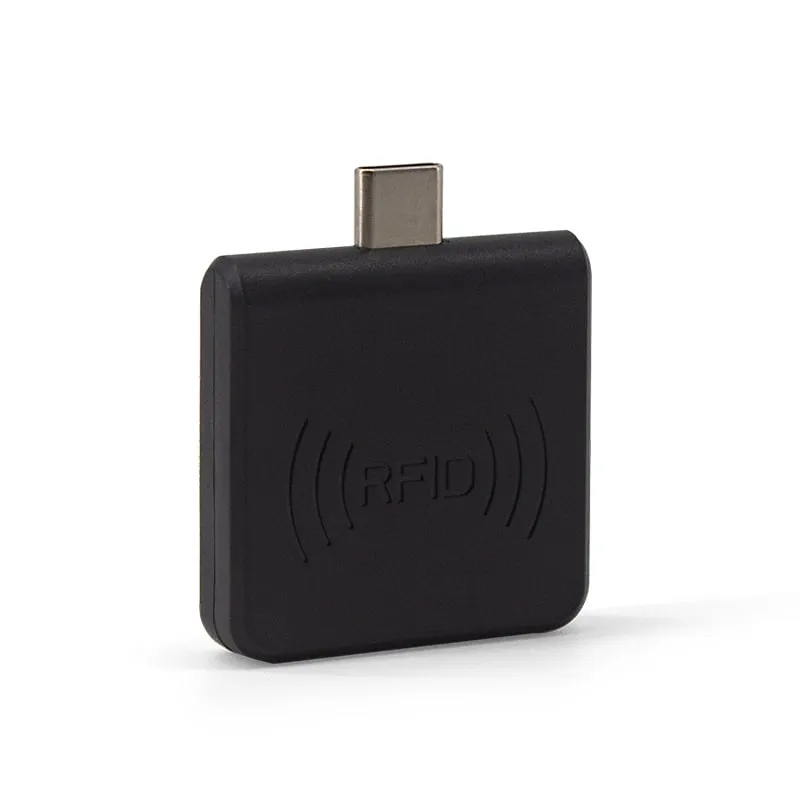
Henrium supplies 14 UHF models in four groups. USB desktop reader/writers (U120-U, U130-U, U140-U, U160-U) sit next to a PC, read tags at up to 0.5 m and write at up to 0.2 m. Integrated long-range readers (U610-M up to the U650-M 12 dBi long-range UHF reader) put the reader and a 7–12 dBi antenna in one pole- or wall-mounted housing with Wiegand, RS232, RS485 and USB outputs, plus TCP/IP on the -N builds. Handheld and Bluetooth readers (U510-B, U520-M, U540-M, U550-M) take the reader to the tag. The U220-C USB-C UHF RFID reader connects to the USB-C port of an Android phone.
Typical buyers are system integrators, parking and access-control installers, software vendors and distributors. Four questions decide the model: which band the destination country uses, how far you need to read, whether you need to write tags, and how the data must reach your system — as keyboard input, over a serial port or Wiegand, over TCP/IP, or through an SDK.
Model comparison
Read ranges are the rated figures from each model's specification and depend on tag type, mounting and surroundings. Only the desktop U1xx and integrated U6xx series list tag writing.
| Model | Frequency | Interface | Form factor | Read range |
|---|---|---|---|---|
| U120-U | 902–928 MHz or 920–925 MHz | USB | Desktop | Up to 0.5 m |
| U130-U | 902–928 MHz or 920–925 MHz | USB | Desktop | Up to 0.5 m |
| U140-U | 902–928 MHz or 920–925 MHz | USB | Desktop | Up to 0.5 m |
| U160-U | 902–928 MHz or 920–925 MHz | USB | Desktop | Up to 0.5 m |
| U610-M | 902–928 MHz or 865–868 MHz, specified at order | USB, RS232, RS485, Wiegand | Fixed / long-range | 0–5 m |
| U620-M | 902–928 MHz or 865–868 MHz, specified at order | USB, RS232, RS485, Wiegand | Fixed / long-range | 0–5 m |
| U630-M | 902–928 MHz or 865–868 MHz, specified at order | USB, RS232, RS485, Wiegand | Fixed / long-range | 0–6 m |
| U640-M | 902–928 MHz or 865–868 MHz, specified at order | USB, RS232, RS485, Wiegand | Fixed / long-range | Beyond 12 m |
| U650-M | 902–928 MHz or 865–868 MHz, specified at order | USB, RS232, RS485, Wiegand | Fixed / long-range | 0–20 m |
| U510-B | 915 MHz | Wireless | Handheld | 0–50 cm |
| U520-M | UHF 915 MHz band | USB, Wireless | Handheld | 0–35 cm |
| U540-M | 902–928 MHz | USB, Wireless | Handheld | — |
| U550-M | 915 MHz | USB, Wireless | Handheld | 0–3 m |
| U220-C | 902–928 MHz | USB | Plug-in | 0–5 cm |
How to choose a UHF RFID reader
Start from the job, not the longest range. A reader that reaches too far picks up tags you did not mean to read; one that reaches too short slows the operator down. Match the reader type to the task:
| Type | Models | Rated range | Writes tags | Output | Typical job |
|---|---|---|---|---|---|
| USB desktop reader/writer | U120-U, U130-U, U140-U, U160-U | Read up to 0.5 m, write up to 0.2 m | Yes | USB keyboard emulation; virtual COM as a customized build | Issuing and checking tags at a desk or counter |
| Integrated long-range | U610-M, U620-M, U630-M, U640-M, U650-M | 0–5 m (7 dBi) to 0–20 m (12 dBi) | Yes, through the SDK | Wiegand 26/34, RS232, RS485, USB; TCP/IP on -N builds | Vehicle gates, parking, doors, fixed read points |
| Handheld / Bluetooth | U510-B, U520-M, U540-M, U550-M | 0–35 cm (U520-M) to 0–3 m (U550-M); U540-M to be confirmed | Not listed | Bluetooth, 2.4G receiver or USB | Asset audits, stock checks, mobile ID with a phone or tablet |
| USB-C phone plug-in | U220-C | 0–5 cm | Not listed (EPC read) | EPC typed at the cursor in Android apps | Checking one tag at a time on a phone |
If the tag has to be read with nobody present — a car at a barrier, a crate passing a door — you need an integrated reader. If a person presents the tag, a desktop or handheld model is simpler to deploy. The guide fixed vs integrated vs handheld UHF readers covers the trade-offs, and the application notes for parking and vehicle access and inventory and asset tracking show where each type fits.
Read range, antenna gain and RF power
Every range on this page is the rated figure from the model's specification. Real range depends on the tag chip and antenna, the material it is attached to (metal and liquids detune UHF tags), the mounting position and RF noise on site. Test with your own tags before you fix a mounting position.
The desktop reader/writers use a built-in 2 dBi antenna with RF output adjustable from 12.5 to 26 dBm. A short field is an advantage at a desk: you want to read or encode the tag in front of you, not the rest of the stack.
All five integrated readers list RF output of 0–30 dBm, software adjustable, so power can be set within the local limit (in the US, for example, 4 W EIRP). The rated range rises with antenna gain; the larger panels are also heavier, which matters when you choose a pole and bracket:
| Model | Antenna gain | Rated read range | Net weight |
|---|---|---|---|
| U610-M | 7 dBi | 0–5 m | 0.8 kg |
| U620-M | 8 dBi | 0–5 m | 1.2 kg |
| U630-M | 9 dBi | 0–6 m | 1.45 kg |
| U640-M | 10 dBi | More than 12 m | 1.55 kg |
| U650-M | 12 dBi | 0–20 m | 2.55 kg |
Some models also list a higher figure in high-power mode; treat it as a best case, not a design value. The handhelds are rated at 0–35 cm (U520-M, which shows the tag ID on a 0.91-inch OLED), 0–50 cm (U510-B) and 0–3 m (U550-M). The U540-M adds a 1D/2D barcode imager; its RFID read range has not been confirmed, so test an evaluation sample with your own tags. The integrated readers are built for outdoor pole or wall mounting, but the current specification gives no IP rating; if your site needs one, confirm it in your quotation. See why one UHF reader reads 0.5 m and another 8 m.
Frequency bands and ordering
UHF RFID is regulated country by country inside 860–960 MHz, and a reader must be set to a band that is legal where it operates. Order the band for the country where the reader will operate, not the country it ships from.
- Desktop reader/writers: 902–928 MHz (US band) or 920–925 MHz (China band); other regional bands on request.
- Integrated readers: 902–928 MHz or 865–868 MHz (the European band); other bands on request.
- Handhelds and U220-C: specified at 902–928 MHz (915 MHz). Ask whether your band is available before you order.
Put the destination country on your RFQ and the band is confirmed in your quotation. The guide UHF RFID frequency bands by country lists the common allocations.
Output, integration and tag writing
Keyboard output. The desktop reader/writers type tag data at the cursor by default, like a USB keyboard; a virtual serial port version is available as a customized build. U510-B and U550-M send data as keyboard input over Bluetooth or a 2.4G USB receiver, and U220-C types the EPC number into any Android app. See keyboard-emulation readers.
Serial, Wiegand and network. The integrated readers output Wiegand 26/34, RS232, RS485 and USB; the -N builds (U610-N to U650-N) add TCP/IP Ethernet. One trigger input lets a vehicle loop or other sensor start reading, and reading can run continuously or on trigger. See RS232 and RS485 readers and Wiegand 26 vs 34.
SDK and tag writing. The integrated readers are supported by an SDK with C#, VC, VB, Java and Delphi sample code, a test demo and a tag read/write and issuing demo. The desktop units list write support, but no SDK is documented for them, so confirm the writing software in your quotation. The handhelds and U220-C do not list tag writing. Read how to write EPC, TID and user memory before you plan an encoding station.
Frequently asked questions
What frequency does a UHF RFID reader use?
UHF RFID uses 860–960 MHz, but each country allows only part of that range. The integrated readers are supplied for 902–928 MHz (US) or 865–868 MHz (Europe), the desktop reader/writers for 902–928 MHz or 920–925 MHz, and the handhelds are specified at 902–928 MHz. Other bands can be requested for the desktop and integrated readers. Put the destination country on your RFQ.
Which UHF readers can write tags?
The U120-U, U130-U, U140-U and U160-U desktop reader/writers (write range up to 0.2 m) and the U610-M to U650-M integrated readers, whose SDK includes a read/write and tag-issuing demo. The handhelds and the U220-C plug-in do not list tag writing. See how to write UHF tags.
How far can a UHF RFID reader read?
Rated figures: up to 0.5 m for the desktop reader/writers, 0–35 cm (U520-M), 0–50 cm (U510-B) and 0–3 m (U550-M) for the handhelds, 0–5 cm for the U220-C, and 0–5 m (7 dBi) to 0–20 m (12 dBi) for the integrated readers. The U540-M range is confirmed on a sample. Tag type, the surface it is on and the site all change the result, so test with your own tags.
Do I need software or an SDK to use a UHF reader?
Not for the keyboard-output models: the desktop reader/writers, U510-B, U550-M and U220-C type the data into any program. The integrated readers can send Wiegand 26/34 straight to an access controller, or serial, USB or TCP/IP data to your application, with an SDK (C#, VC, VB, Java, Delphi samples) for custom software.
Can these readers read many tags at once?
The specifications quote single-tag figures, for example under 6 ms average per 64-bit single-tag read on the integrated readers. Multi-tag rates are not published. If you need to read many tags in one pass, send your tag type and layout and test an evaluation sample. The multi-tag read rate guide explains the settings that matter.
How much does a UHF RFID reader cost?
Price depends on the model, band, interface build (-M or -N) and quantity, and is confirmed in your quotation. Send the model, quantity and destination country through the RFQ form. Evaluation units can be requested on the samples page, and private labeling is covered under OEM and ODM options.
Tell us your card, interface and quantity
Send the card or tag type, the host system and your volume. We reply within 1 business day with a suggested model and sample options.